
No, my dear fellow! I am not proud, but I am happy, and happiness blinds, I think, more than pride.
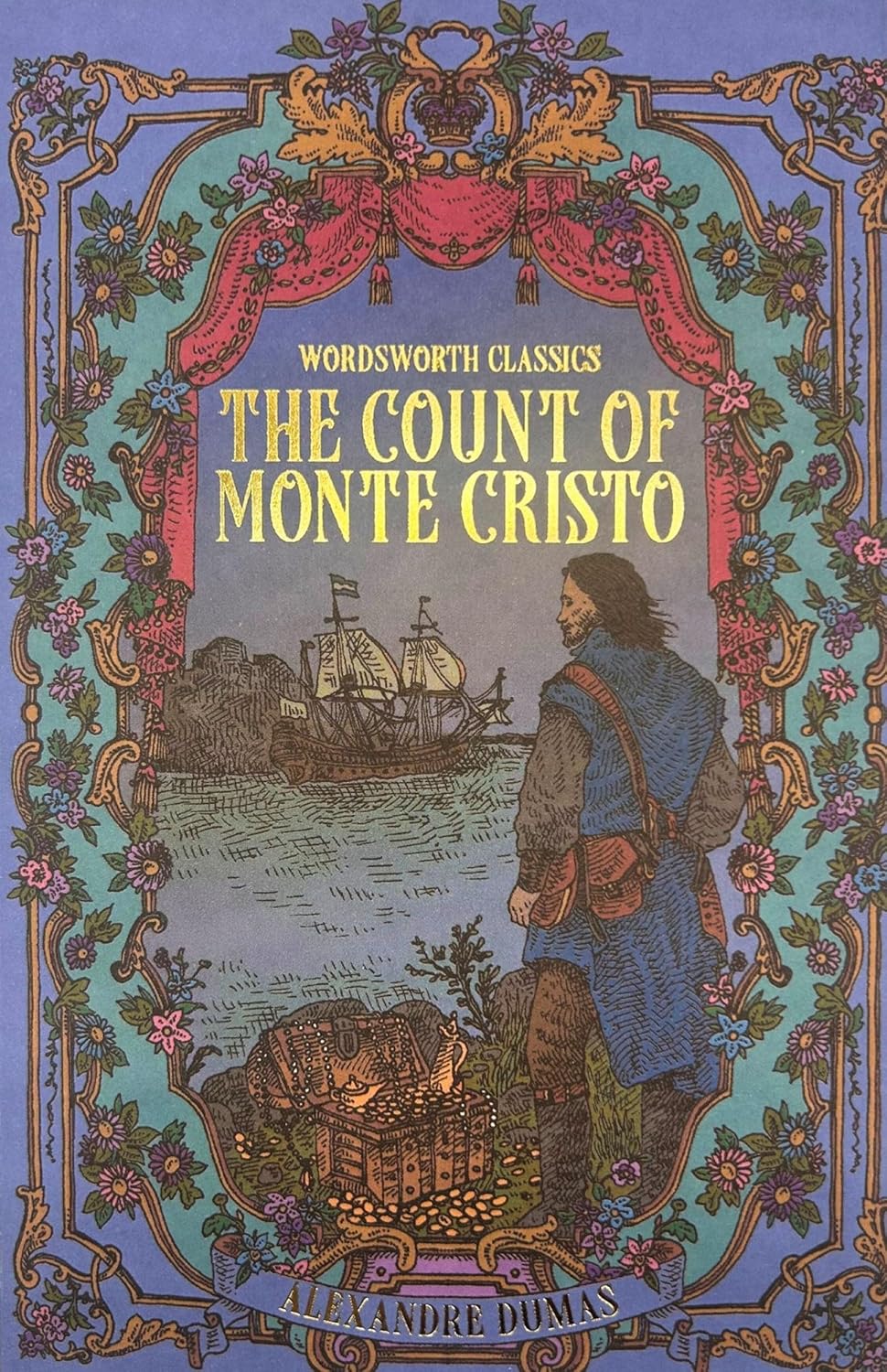
Edmond says this at his betrothal celebration, when friends tease him about seeming lofty. The line shows his youthful innocence: joy narrows his vision the way bright light can dazzle the eyes. The metaphor of “happiness blinds” fits a boy who trusts everyone, including the men plotting his downfall. It foreshadows how unchecked joy can mask danger, especially in the crowded room where envy is already at work. Emotionally, the contentment is pure; it’s the kind of early-love glow that makes the world feel simple. Readers feel both warmth and dread—because we know joy in this story will be tested. The sentence crystallizes the novel’s beginning: love as light, soon to meet shadow.