
I ought to be thy Adam; but I am rather the fallen angel, whom thou drivest from joy for no misdeed. Everywhere I see bliss, from which I alone am irrevocably excluded. I was benevolent and good; misery made me a fiend. Make me happy, and I shall again be virtuous.
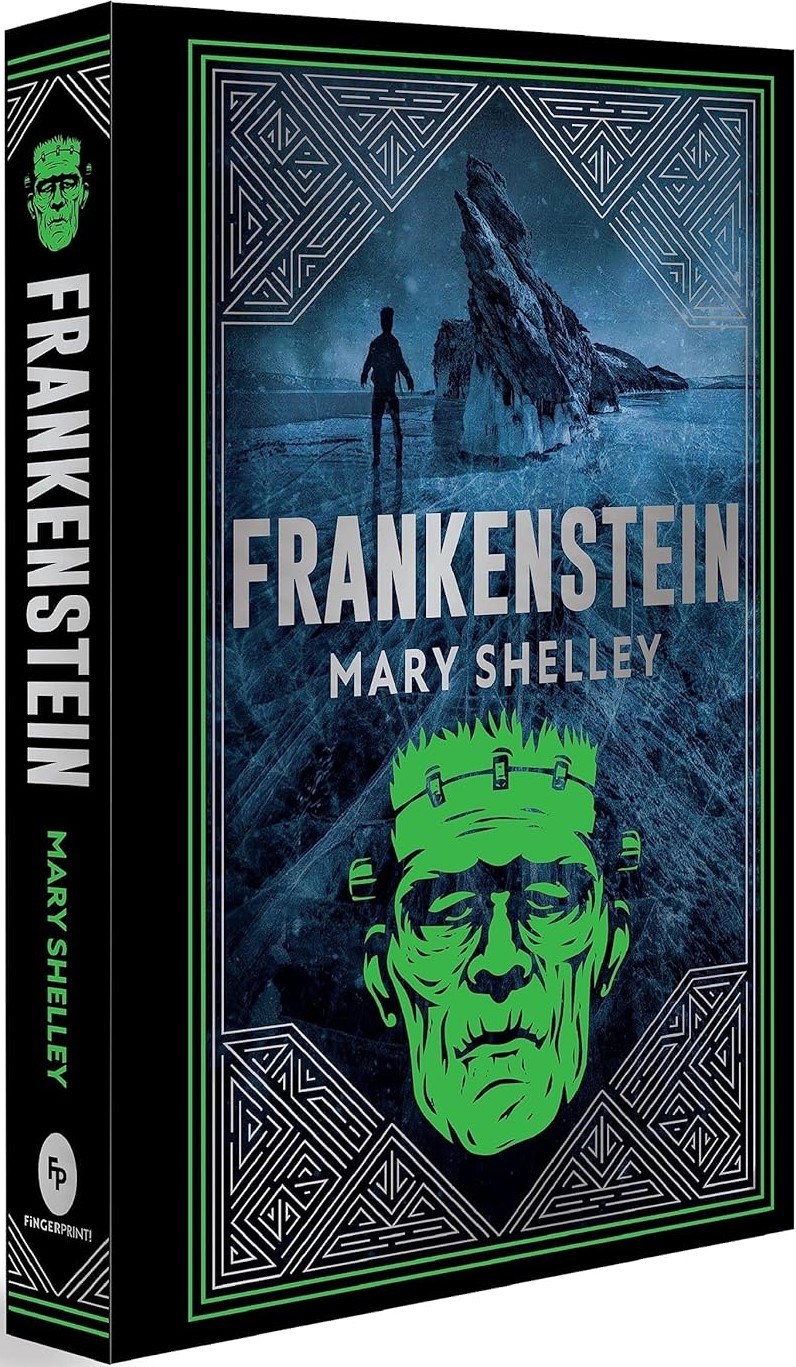
He measures himself against scripture to name a moral exile. The “Adam” versus “fallen angel” contrast turns neglect into cosmic injustice. Loneliness is the engine: exclusion breeds bitterness. Shelley lets the Creature state a simple social truth—virtue withers without belonging. The allusion elevates his plea beyond self-pity; he makes a case about justice. His final line connects happiness to ethics, a hard claim with intuitive power. We feel the ache of wanting to be welcomed at the human table.