
Every portrait that is painted with feeling is a portrait of the artist, not of the sitter.
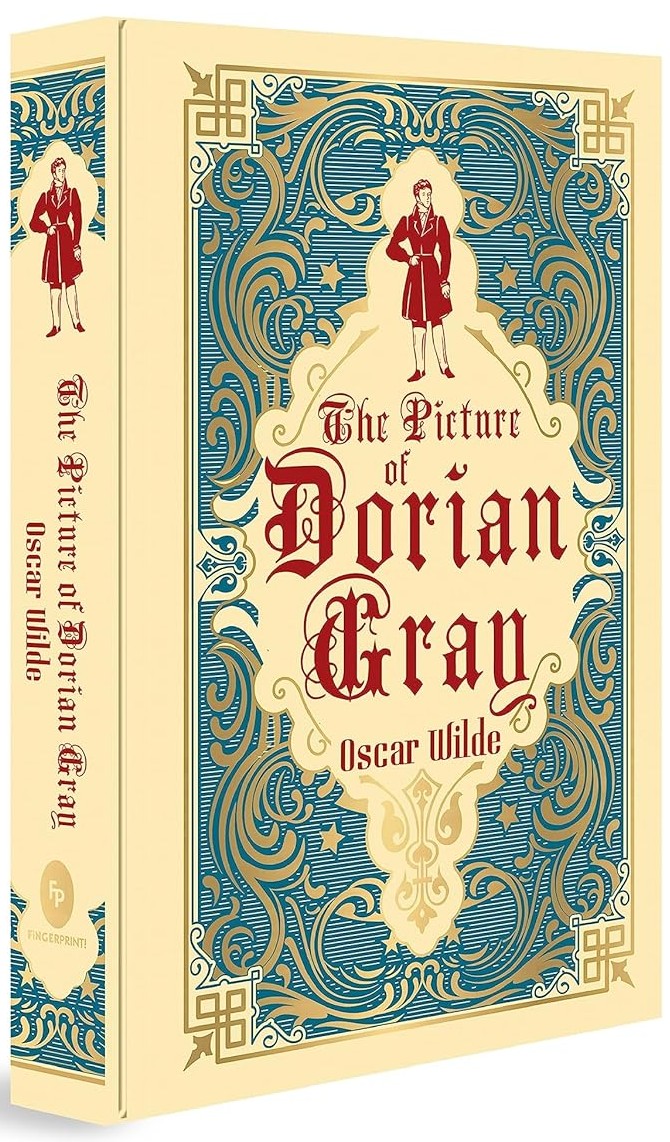
Basil confesses that he has poured himself into Dorian’s image. The metaphor suggests that creation reveals the creator, even when the surface shows someone else. It foreshadows why Basil is terrified of exhibiting the painting—his soul is in the paint. The line also sets up the novel’s conceit: the portrait will “tell” truths that faces hide. It frames art as intimate and risky; to love and to paint are both forms of exposure. It softens Basil’s moral position later; his attachment isn’t only aesthetic, it’s ethical. Readers feel the ache of making something beautiful and fearing what it reveals.