There is no such thing as a moral or an immoral book. Books are well written, or badly written. That is all… The books that the world calls immoral are books that show the world its own shame.
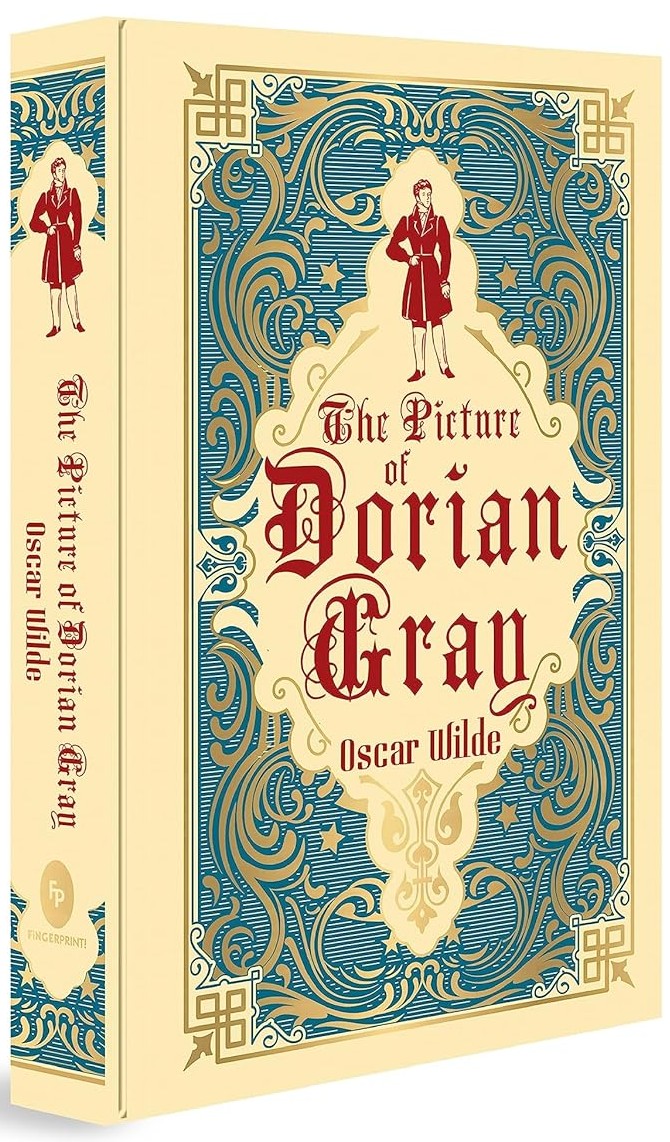
Wilde’s epigrams frame the novel as an aesthetic experiment, not a sermon. Yet the paradox cuts both ways: if art only mirrors, the ugliness we see might be ours. It primes us to mistrust moral panic and attend to self-revelation. In context, the preface also defends the book from the very reactions it provokes. It’s witty armor, but it doesn’t cancel the story’s ethical bite. The portrait will “show shame” in literal paint, turning theory into plot. Readers get permission to enjoy style—and an assignment to examine themselves.