
When we are happy, we are always good, but when we are good, we are not always happy.
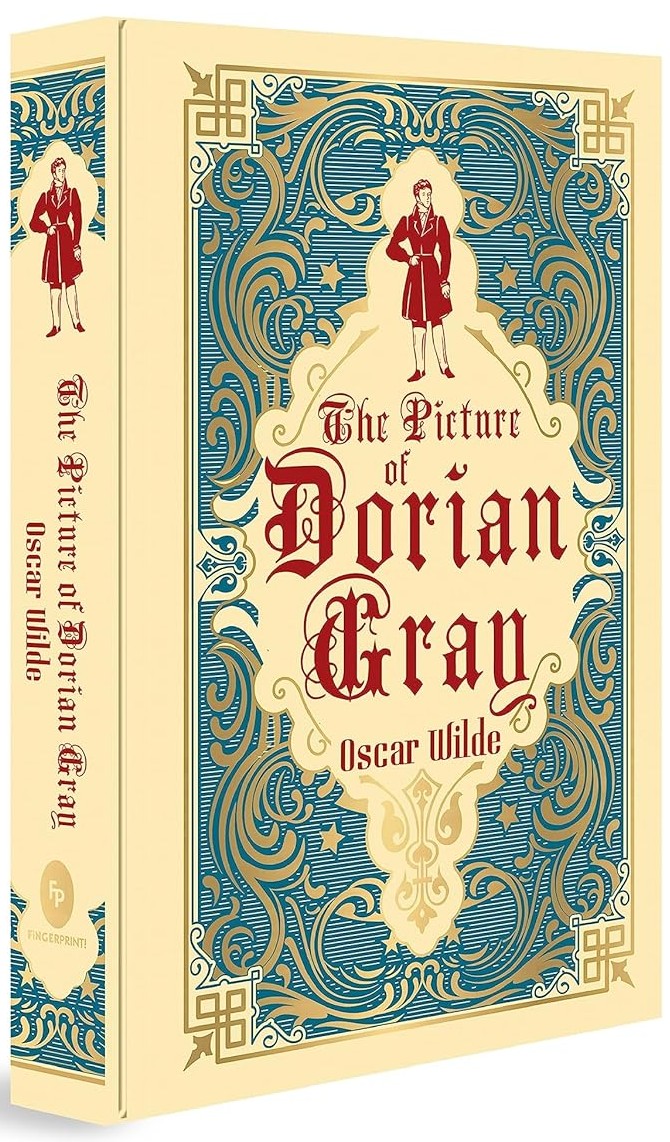
This is pleasure ethics in a sentence. Henry conflates moral worth with mood, shrinking virtue to feeling good. Dorian, craving ease after a shock, finds this soothing. Yet the line also admits a truth: goodness can be costly. Wilde keeps the reader off-balance—Henry’s epigrams glitter because they borrow bits of truth. In practice, the creed becomes a license for selfishness. The novel asks whether happiness built on denial can last.