
I am he whom you sold and dishonored—I am he whose betrothed you prostituted—I am he upon whom you trampled that you might raise yourself to fortune—I am he whose father you condemned to die of hunger—I am he whom you also condemned to starvation, and who yet forgives you, because he hopes to be forgiven—I am Edmond Dantès!
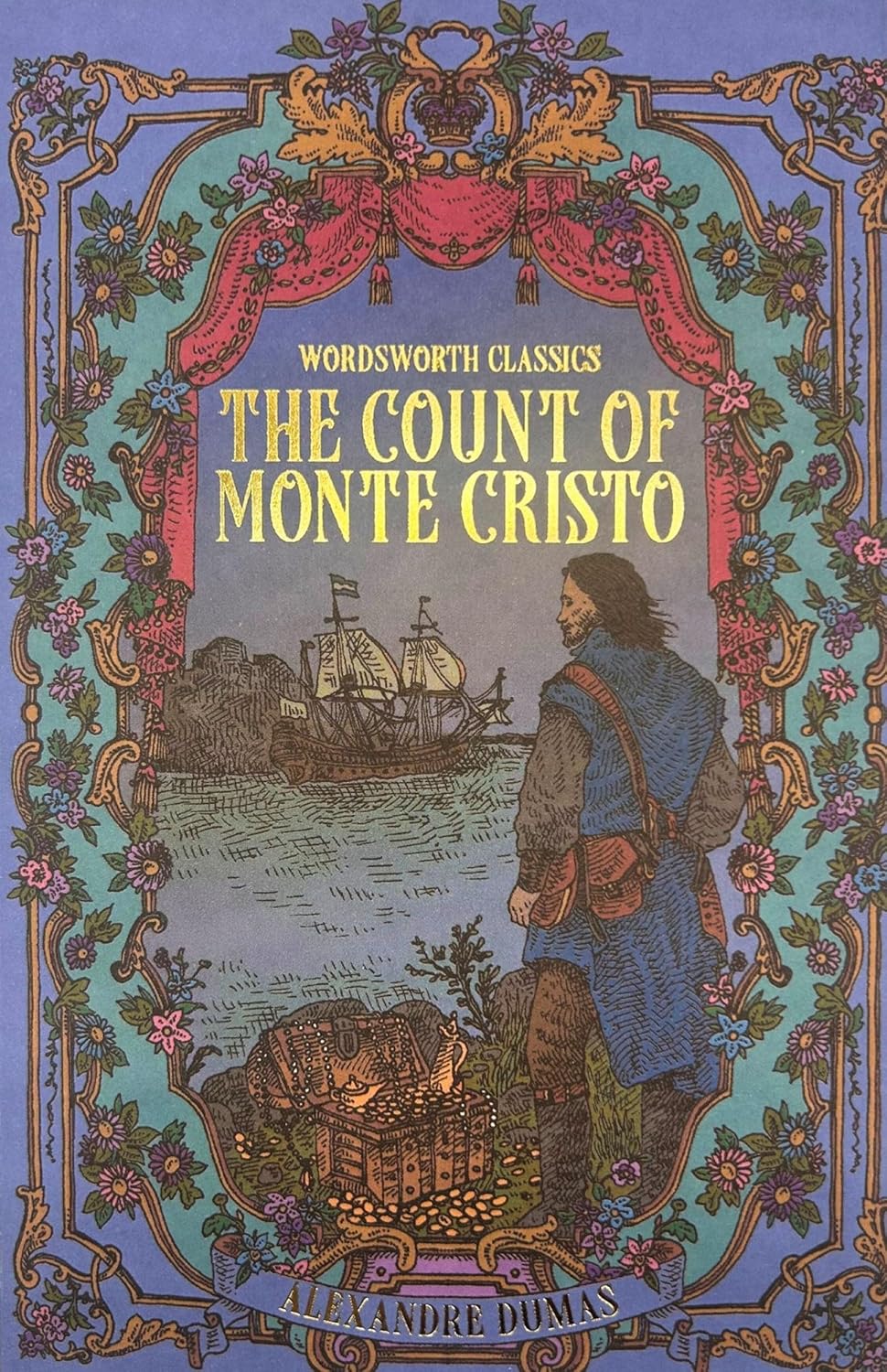
The Count removes the last mask and indicts Danglars with a pounding rhythm of “I am he.” The anaphora makes each wrong land like a hammer, turning memory into judgment. It’s cathartic but not mindless: he ends on forgiveness, hinting at the mercy that’s about to follow. That blend—wrath acknowledged, cruelty restrained—shows how far he’s traveled from the dungeons. Emotionally, readers feel the storm break and the air clear. The scene argues that naming harm is part of healing. Justice arrives without the need to destroy.