The prison is the world, and the world is a prison; the difference is only in the bars we see.
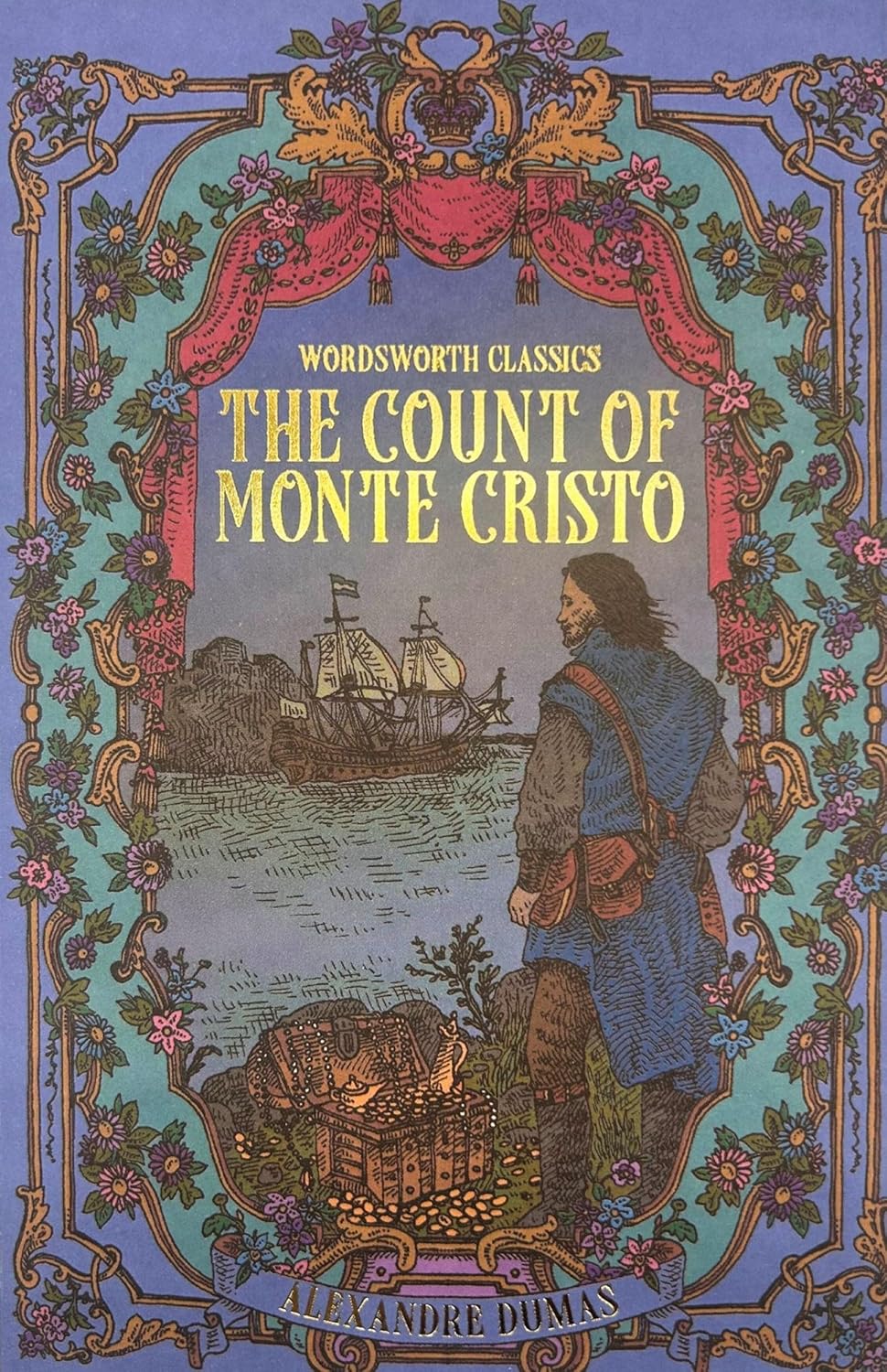
Faria recasts captivity as a condition of human life, not only stone walls. The paradox frees Edmond’s mind before his body—thought becomes a corridor. It builds the inner muscles that later hold the Count’s elaborate disguises. Emotionally, the line invites dignity in limits: choose how to be, even when you can’t choose where to be. It also hints at Parisian salons as cages with velvet bars. The book keeps asking what real freedom looks like. This sentence is the key in the lock.