
The friends that we have lost do not repose under the ground; they are buried deep in our hearts. It has been thus ordained that we may always be accompanied by them.
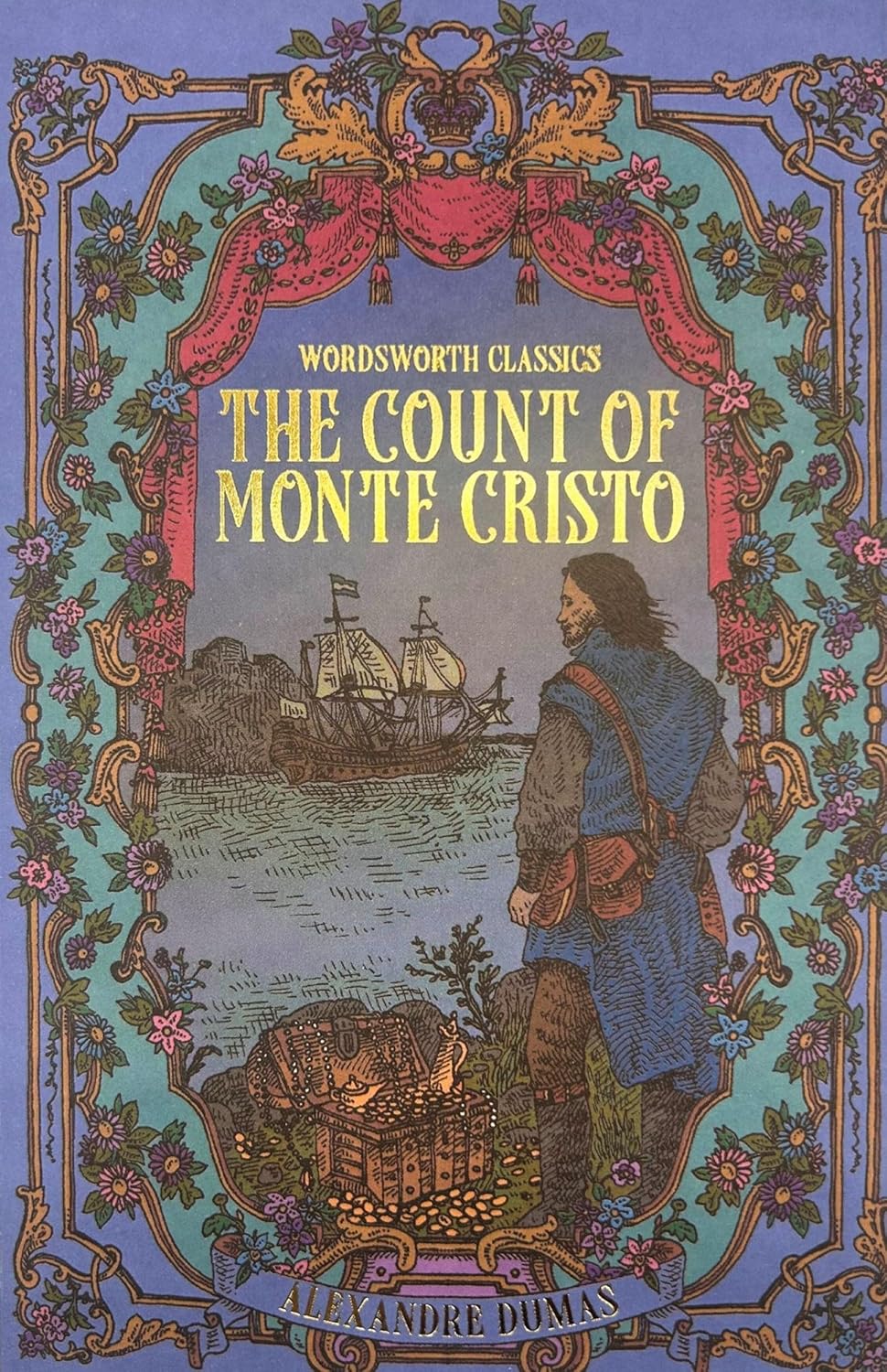
He refuses to let grief be only absence. The burial image flips—love isn’t in the earth; it’s internal, carried. This is the tender side of a man famous for planning doom; even he knows memory can warm rather than haunt. The sentence also reframes “companionship”: the dead still walk with us in what we choose and how we live. Readers who mourn will recognize the truth without needing proofs. It’s consolation that doesn’t preach. The Count’s voice here is more Edmond than judge.