I hope I never ridicule what is wise or good. Follies and nonsense, whims and inconsistencies do divert me, I own, and I laugh at them whenever I can.
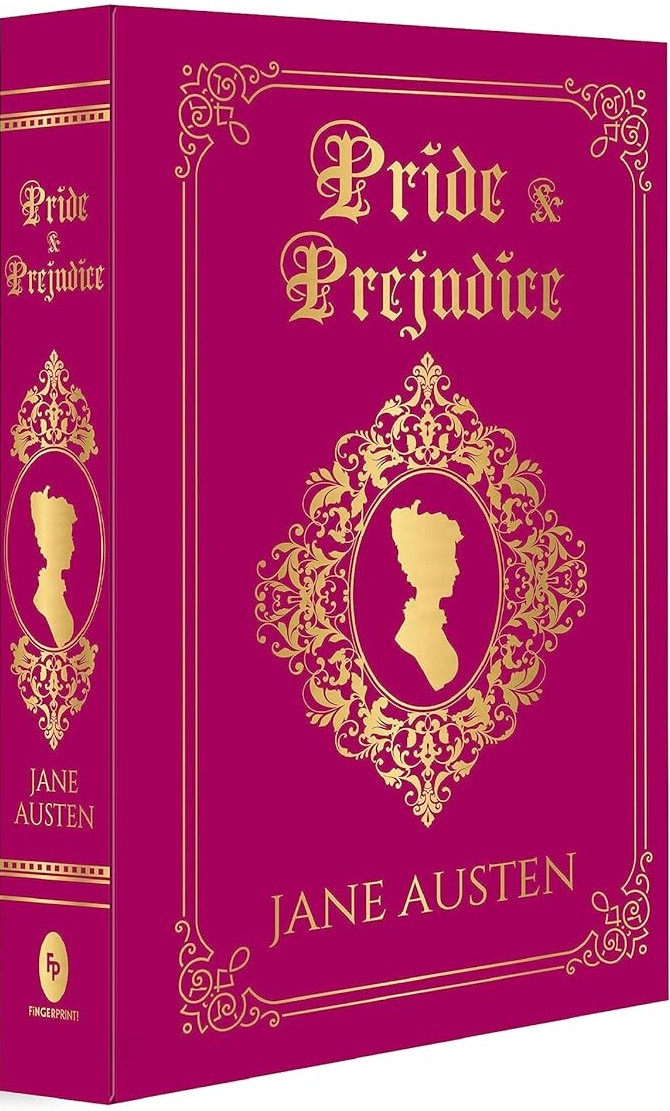
Elizabeth sketches her ethic for humor: punch up at folly, not down at goodness. The repetition of playful nouns builds a rhythm that matches her lively mind. This code separates her from cheap mockery. It also quietly critiques those who confuse manners with morals. For readers, it’s a guide to sharp kindness—clear, funny, fair. The line shows why she’s beloved: her laughter is discriminating. It keeps her honest while protecting joy. Wit, used well, is a kind of mercy.