
The dawn which follows a battle always rises on naked corpses.
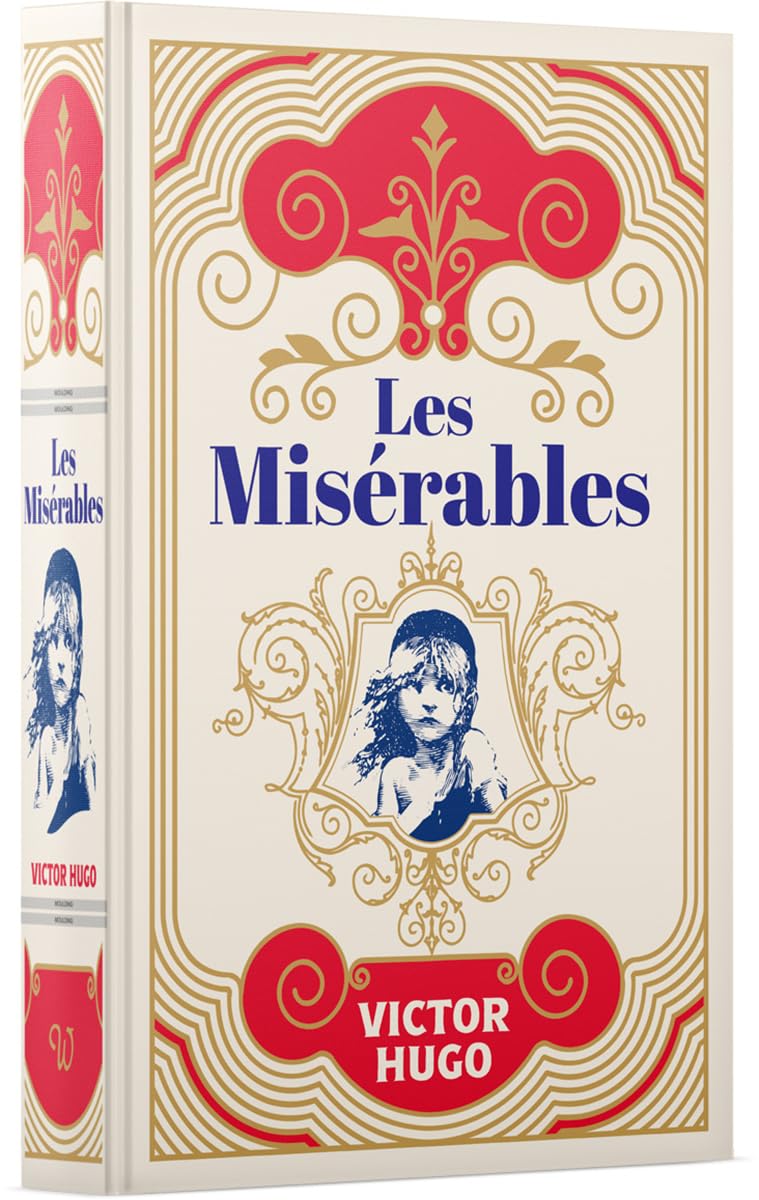
Hugo refuses to romanticize war, even when history wants to call it glorious. This image is cold and plain, and that plainness makes it harder to escape. “Dawn” suggests renewal, but he ruins that comfort by showing what the morning really reveals. In Les Misérables, battles are not just strategic events, they are human wreckage that keeps spreading into civilian lives. The sentence forces the reader to hold beauty and horror in the same frame. It can speak to anyone who has watched a conflict get celebrated while ordinary people pay the cost. The quote is grief disguised as observation.