The greatest happiness of life is the conviction that we are loved; loved for ourselves, or rather, loved in spite of ourselves.
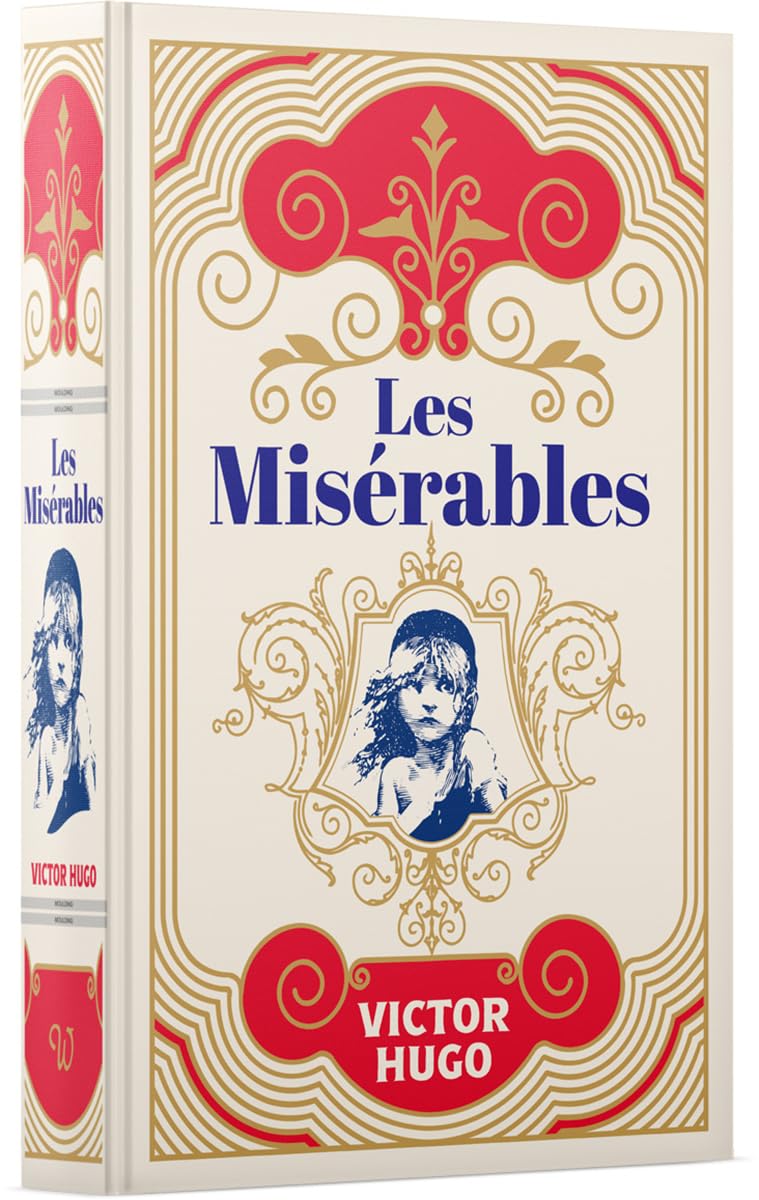
Hugo describes love as something that reaches past your best mask and touches the truth underneath. The paradox,“loved in spite of ourselves”,suggests real love isn’t a wage you earn; it’s recognition you receive. That matters in this novel because Valjean begins convinced he is only a criminal label, not a whole person. The line captures the fear of being fully seen and the relief when being seen doesn’t lead to rejection. It also fits the tenderness Valjean builds with Cosette, where care becomes a shelter against cruelty. The emotion is Longing because the quote doesn’t just celebrate love; it admits how rare and precious it feels. If you’ve ever been exhausted from performing “worthiness,” this is the kind of sentence that loosens your chest. It frames love as a homecoming rather than a reward.