If you wish to gain an idea of what revolution is, call it Progress; and if you wish to acquire an idea of the nature of progress, call it To-morrow.
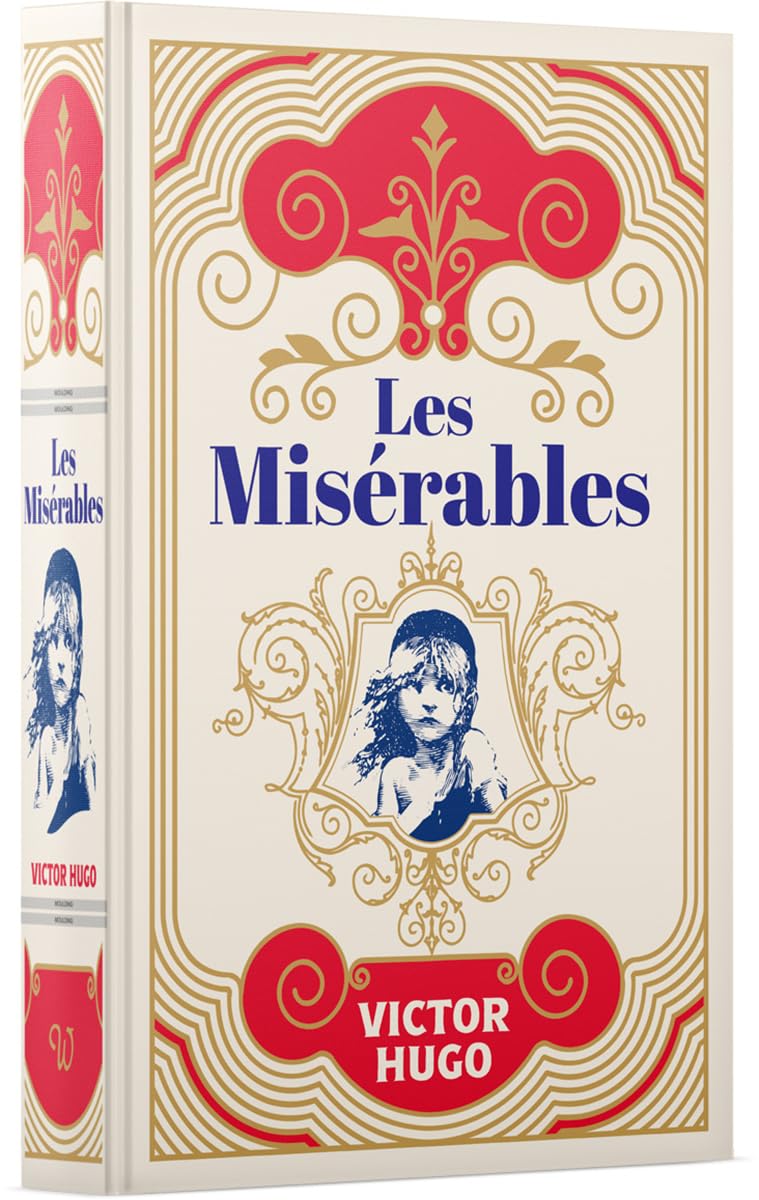
Hugo tries to clean the word “revolution” of its fear and blood and connect it to a larger movement forward. He defines it as progress, as if history is leaning toward a better moral shape. The word “To-morrow” becomes a symbol for the future that keeps arriving no matter what people resist. In context, this is not empty cheerfulness, because the book shows how much suffering happens before change. That tension makes the sentence feel brave rather than naive. It can resonate with readers who believe improvement is possible but slow, and who need language that keeps them going. The quote is hope with a philosophy behind it.