If nature calls itself Providence, society should call itself foresight.
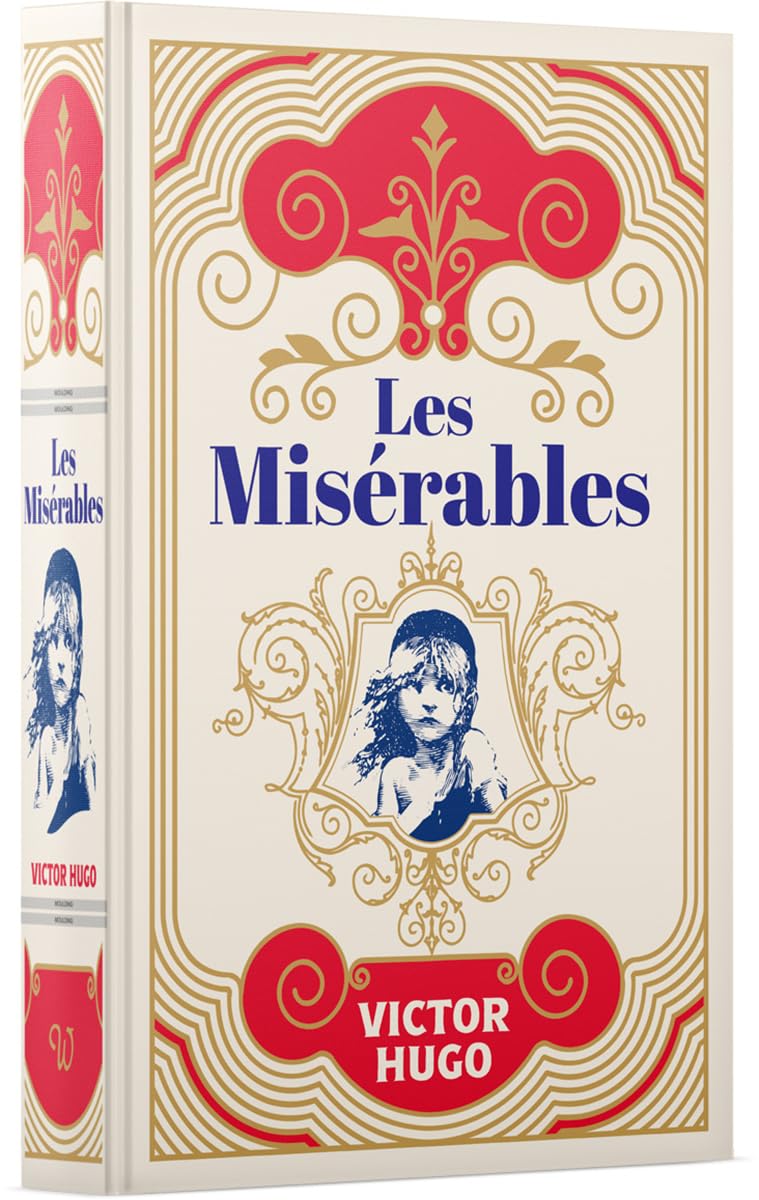
Hugo draws a line between what just happens and what humans choose to allow. By personifying nature as “Providence,” he gives it a distant authority, then refuses to let society hide behind that distance. “Foresight” becomes an instruction: plan ahead, protect the vulnerable, prevent misery instead of punishing it later. In Les Misérables, this is the moral opposite of letting people fall and then condemning them for falling. The emotion is Determined because the sentence is a call to act, not a meditation to admire. It challenges the comfortable habit of treating suffering like weather, unfortunate but inevitable. If you’ve felt frustrated by shrugging responses to preventable harm, this gives you a cleaner argument than anger alone. It turns compassion into responsibility. And it insists that civilization should be measured by what it prevents, not by what it punishes.