
Poverty in youth, when it succeeds, has this magnificent property about it, that it turns the whole will towards effort, and the whole soul towards aspiration.
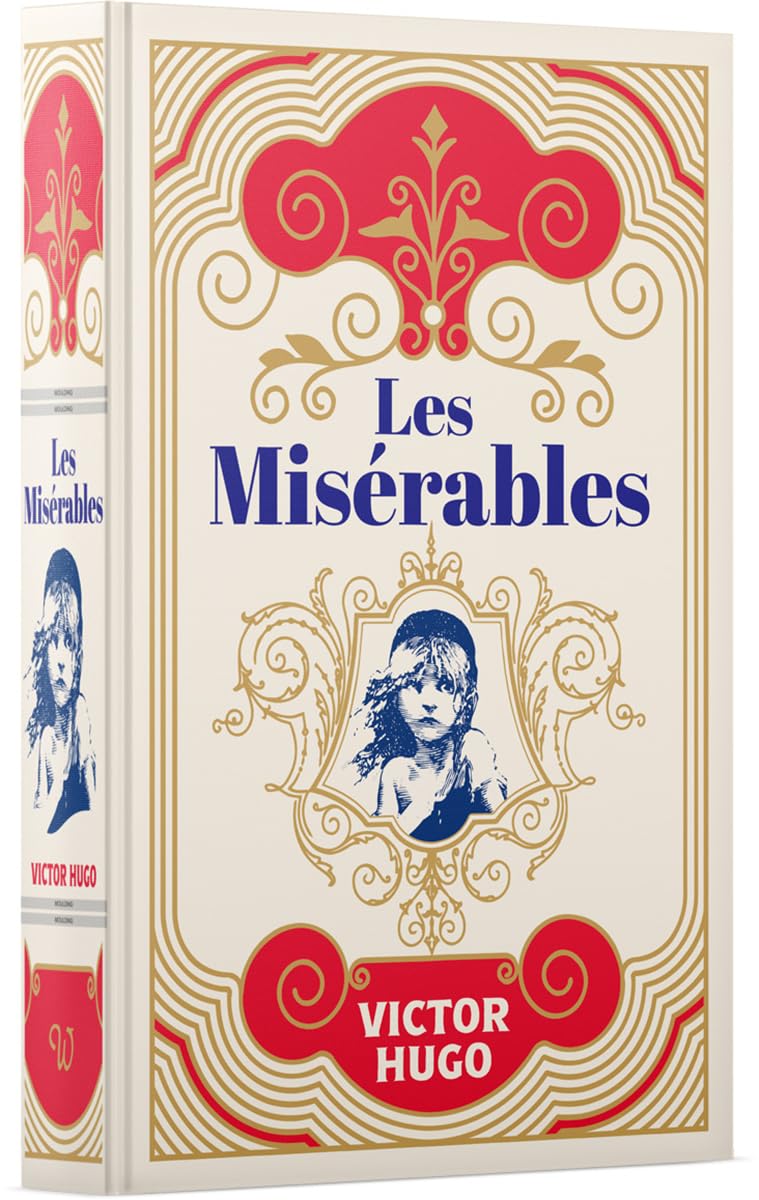
Hugo refuses to pretend poverty is good, but he admits it can shape a fierce kind of drive. The paradox is that deprivation can push a person toward the ideal, because it makes the material world look ugly and urgent. In context, this sits inside a portrait of a young man trying to rise, learn, and become more than his situation. The sentence does not romanticize suffering, it studies its effects. It can resonate with readers who grew up with limits and learned ambition the hard way. At the same time, it hints at a bitter truth: society often praises the few who escape and forgets the many who do not. The quote is both inspiring and sharp.