
I am not an angel, and I will not be one till I die: I will be myself.
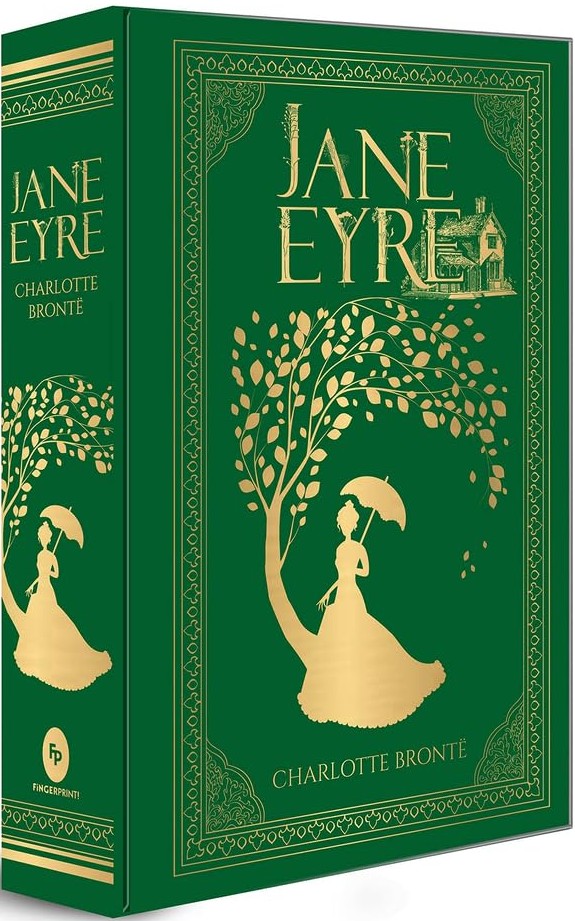
Jane refuses a sweet but flattening ideal. In romances, women are often placed on pedestals that erase their real edges; Jane steps down from that pedestal by choice. Calling the “angel” an impossible standard, she claims the right to be fully human—flawed, thinking, alive. The promise “I will be myself” is simple and radical; it’s the vow that undergirds every other vow she could make. In the scene, it helps correct the balance between lovers: devotion cannot demand self-erasure. The metaphor deflates the fantasy and lifts the person. The line feels tender and tough at once. It comforts anyone tired of being “good” at the price of being real.