
I ask you to pass through life at my side—to be my second self, and best earthly companion.
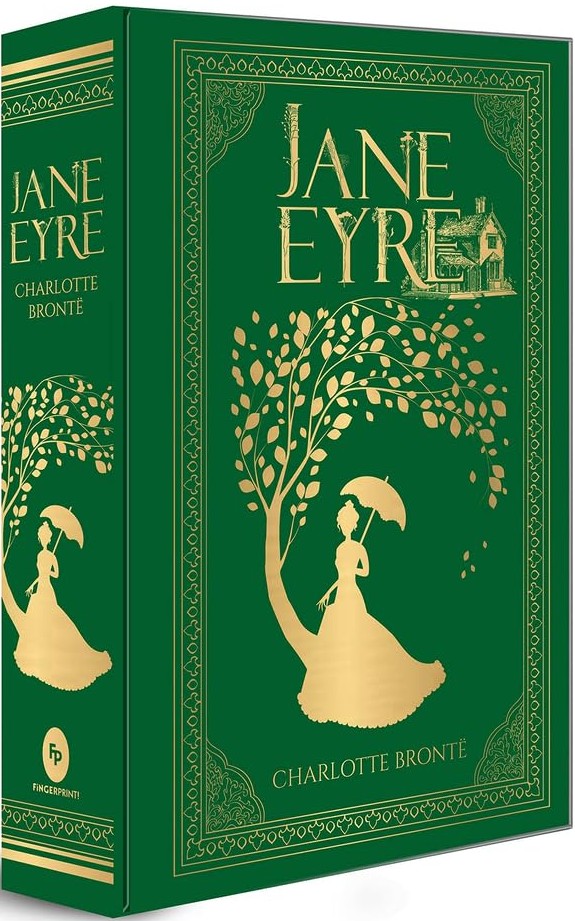
Rochester frames marriage as companionship, not ownership. Calling Jane his “second self” lifts her to equal rank rather than placing her beneath him. The metaphor is tender but weighty; it suggests shared burdens and shared joy. In context, the proposal is complicated, yet the wording shows his truest wish. The line shows that he loves her mind and spirit as much as her presence. It also reveals why Jane is moved: he is speaking her language of equality. For modern readers, the appeal still rests in mutuality, not grandeur. Love here sounds like walking side by side, not being carried.