
I had worked hard for nearly two years, for the sole purpose of infusing life into an inanimate body… but now that I had finished, the beauty of the dream vanished, and breathless horror and disgust filled my heart. Unable to endure the aspect of the being I had created, I rushed out of the room, and continued a long time traversing my bed-chamber, unable to compose my mind to sleep.
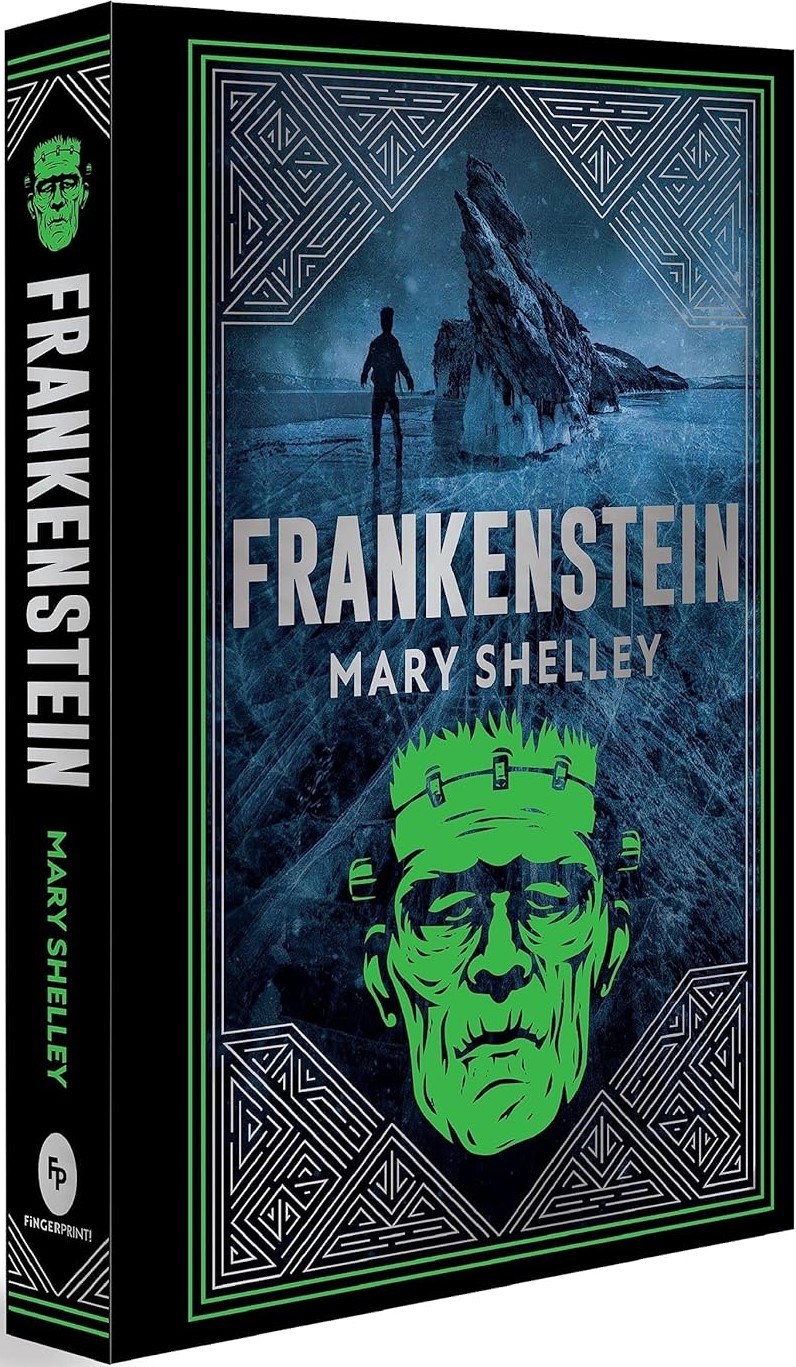
The irony cuts: he chased “beauty,” but meets “horror.” Victor’s mind breaks on the gap between fantasy and outcome. Regret arrives instantly, showing how desire can blind judgment until results appear. The pacing—“rushed,” “unable,” “a long time”—captures shock’s restless loop. Shelley lets disgust stand for moral recoil, not just revulsion. The passage exposes a central self-deception: he worshiped the act of making, not the duty after. It’s a warning about victories that become losses on contact with reality.