We are fond of high words, but life is made of trifles.
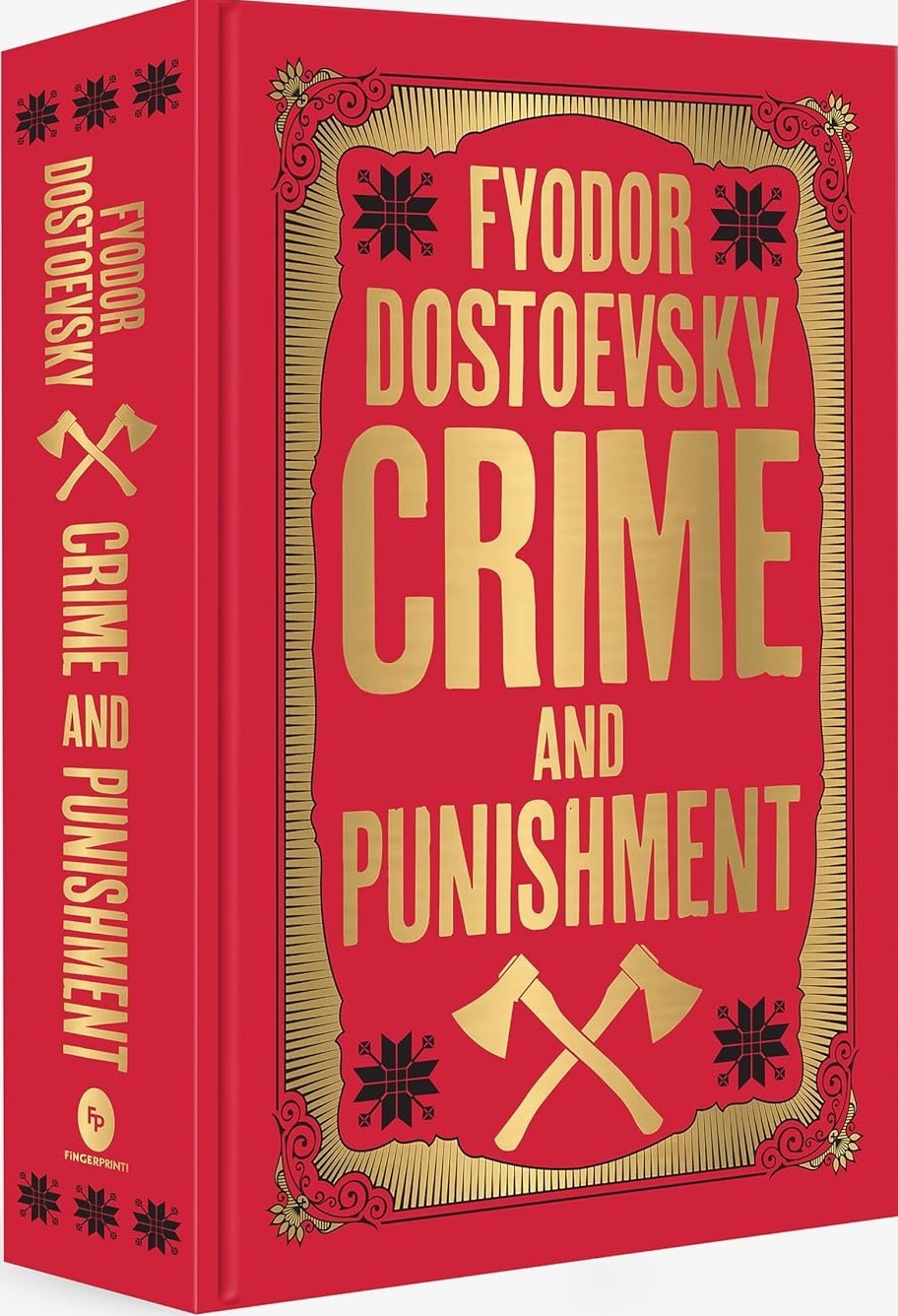
He shrugs at ideals while confessing how details undo people. The irony is double: he lives by “high words” to manipulate others, yet he knows crumbs of habit decide fates. In Raskolnikov’s story, “trifles” (a hat, a door, a chain) mark the path to confession. Svidrigailov’s cynicism sounds like insight because it’s partly true. But the sentence also reveals his flight from meaning—if everything is small, nothing binds. It’s the comfort of the gambler before the last bet.