
If he has a conscience he will suffer for his mistake. That will be his punishment—as well as the prison.
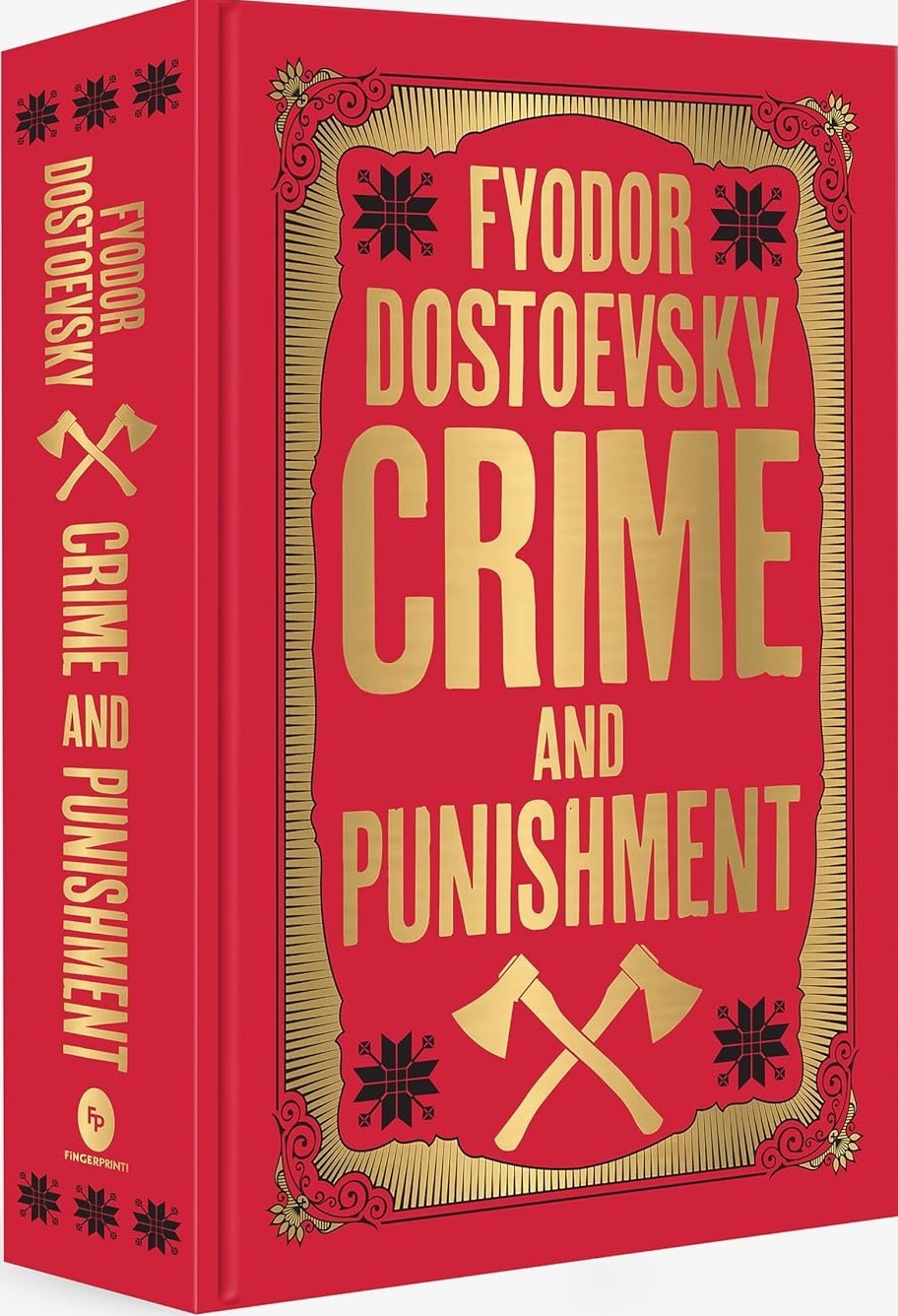
Raskolnikov articulates the novel’s thesis even as he resists it. The paradox—inner suffering as punishment—makes law secondary to conscience. In talking about “he,” he edges toward himself without admitting it. The line foreshadows the way guilt corrodes him long before Siberia does. Stylistically, the measured cadence feels like a courtroom verdict delivered inside the soul. It speaks to anyone who has done wrong and found that self-knowledge hurts worse than penalties. In Dostoevsky’s world, moral truth has its own prison and its own key.