The guilty one is not the person who has committed the sin, but the person who has created the shadow.”
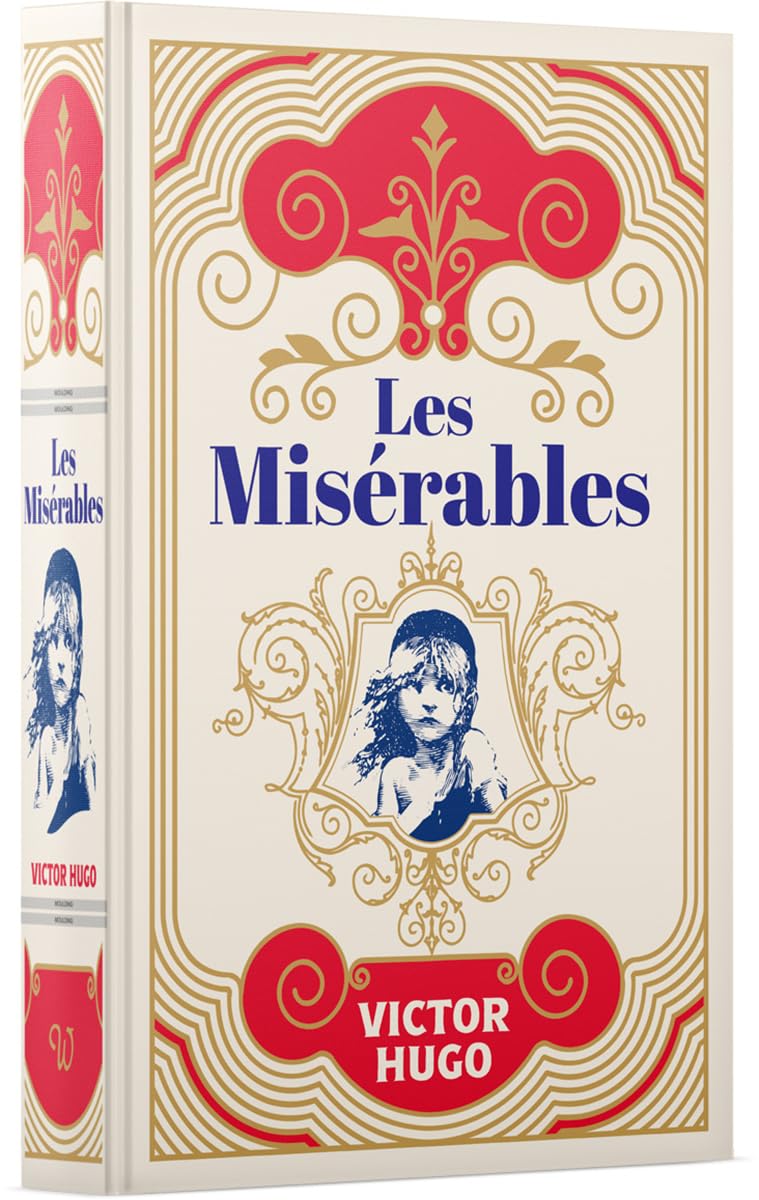
This line comes from the bishop’s way of judging people, and it is meant to be unsettling. He suggests that the real blame often belongs to the forces that push people into darkness: hunger, humiliation, and abandonment. Calling those forces a “shadow” makes the harm feel like something that spreads and covers a life. In Les Misérables, this idea is a key to understanding why Valjean’s fall is not just a personal failure. It also warns that moral talk can be cheap if it ignores the conditions that break people. For readers who have felt trapped by circumstance, it can feel like someone finally understands the difference between sin and survival. The quote invites a kinder, deeper kind of justice.