The basis of optimism is sheer terror.
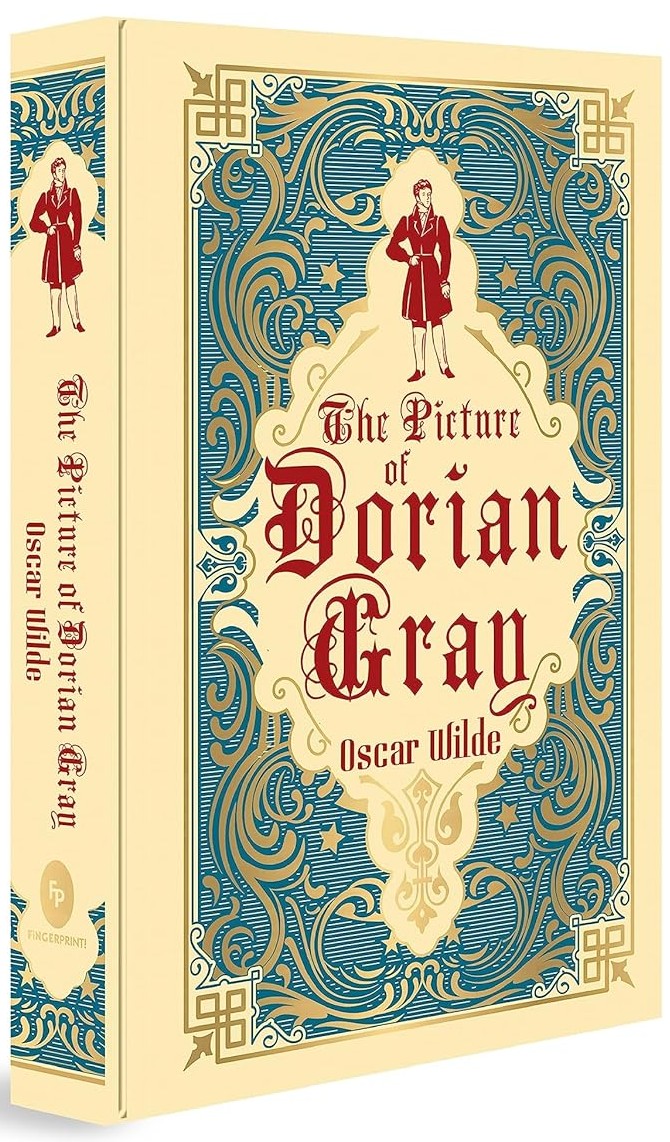
Henry spikes cheerfulness with dread. The paradox flatly claims that hope masks fear, which is both cynical and, sometimes, true. It’s a neat way to puncture other people’s comfort—and keep Dorian dependent on Henry’s coolness. The line also gestures at Dorian’s hidden terror of time; his “optimism” about art and pleasure covers anxiety. Wilde shows how fashionable pessimism can feel like insight while doing harm. It’s another tool of influence disguised as honesty. The reader starts distrusting lines that sound too perfect.