
You will always be fond of me. I represent to you all the sins you have never had the courage to commit.
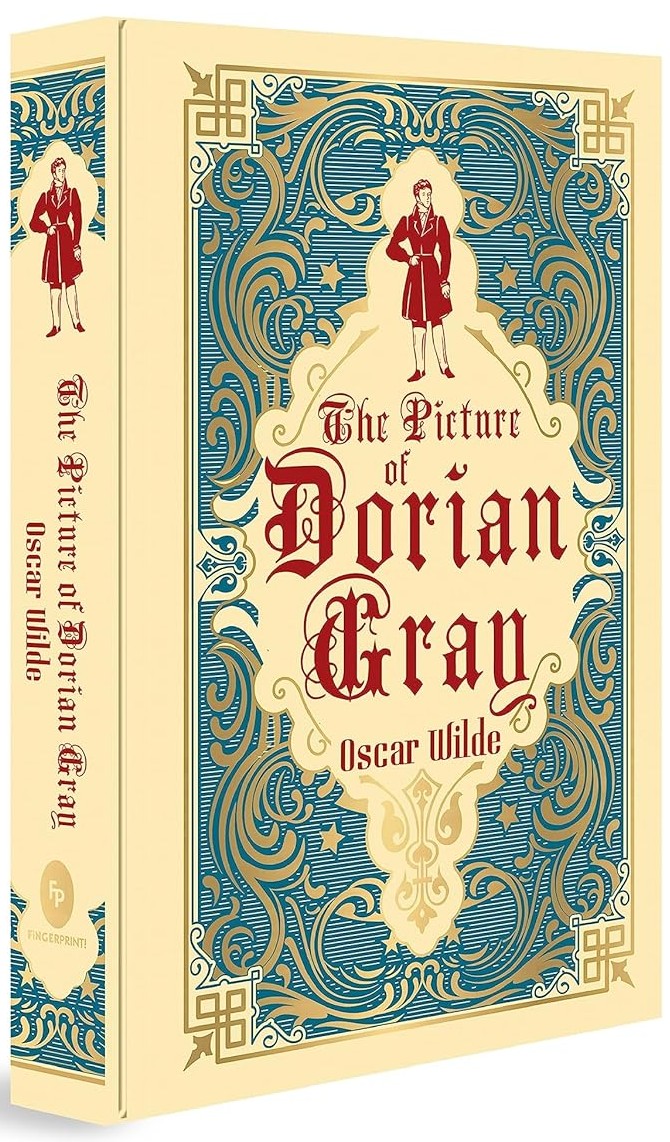
Henry names his role in Dorian’s life without shame. The irony is caustic: he’s the tempter who boasts about being temptation. It works because Dorian wants permission; Henry offers it with style. The line also explains their bond—Henry flatters Dorian’s daring while keeping him dependent. Wilde makes corruption charming to show how it seduces. The moment feels like a handshake over a quiet pact. The reader shivers at how easy it is to admire the person who harms you.