Nowadays people know the price of everything and the value of nothing.
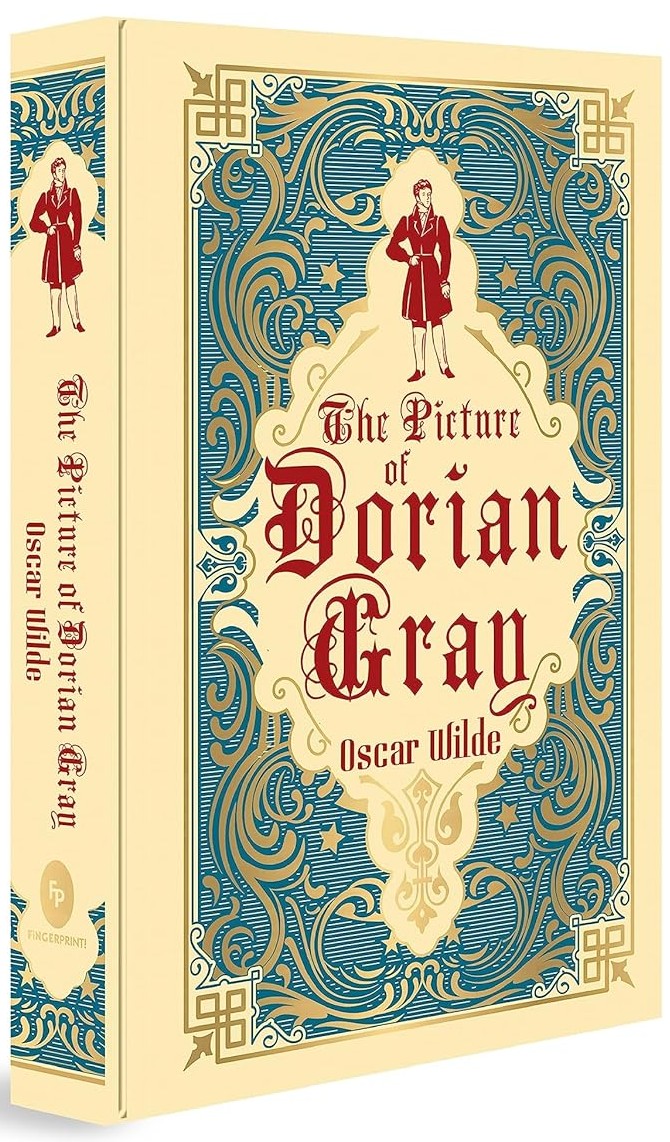
Henry skewers a society that confuses cost with worth. Ironically, he thrives in that same society, which adores Dorian’s surface and ignores his decay. The aphorism indirectly diagnoses Dorian’s fault: he prices pleasure and discounts persons. Wilde uses the marketplace metaphor to expose moral accounting gone wrong. It’s funny because it’s accurate; it stings because it’s close to home. The portrait becomes the ledger that money can’t balance. Readers leave wary of any culture that treats human value like a receipt.