
I would always rather be happy than dignified.
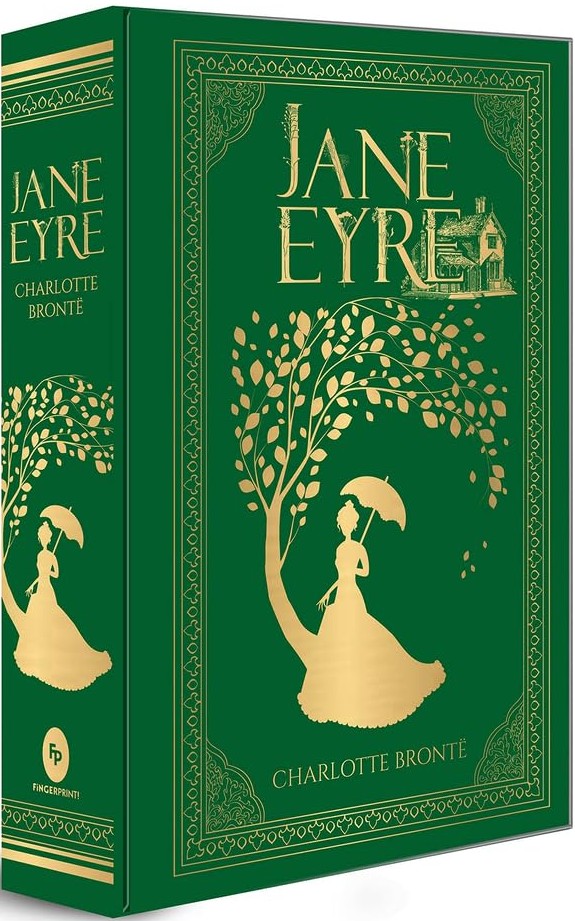
Jane weighs joy against social pride and chooses joy. The contrast between “happy” and “dignified” is sharp because dignity here means cold approval, not true self-worth. The choice marks growth: earlier, propriety often fenced her in. Now she understands that real dignity flows from honest feeling and right action, not from other people’s eyes. The line lands softly, without lecture, which makes it memorable. It clears away noise and leaves a human truth. In story terms, it helps Jane see through a dutiful path that would deaden her. Readers may recognize moments when they, too, had to pick warmth over appearance.